Home

The 'Workbench'

A new approach easier than any other and require only one algorithm.

The Sledgehammer Defaul

A simple yet powerful algorithms capable to solve any possible configuration. The more you master the 'Sledgehammer' the easiest is to solve the cube! There is a whole Capter dedicated to the 'Sledgehammer and its properties under the menu 'Tutorial'.
The'Trap'

The 'Solver'

An universal solver with tools to facilitate the interaction with the cube.

Visit cubeiteasy.com  for a hands-on experience with a configurable solver


The idea

Since the 'Sledgehammer' splits the cube into two indipendent regions:

The'Trap'

The strategy of the 'Workbench' method is simple, it's something we've always done.

First:

Then:


Talking the language of the Rubik's cube: The 'Workbench' is our workplace


These 3 moves are the 'Jolly move'. And this is a practical example


The solver at cubeiteasy.com applyes the 'Jolly move' in the real cases.


cubeiteasy.com is a configurable solver and uses only the 'Jolly move.'


Please note: the method and the 'Y' shaped region both are called the 'Workbench'


The 'Trap'

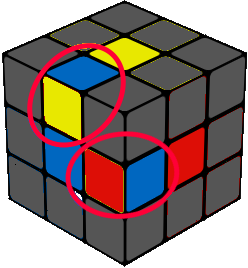
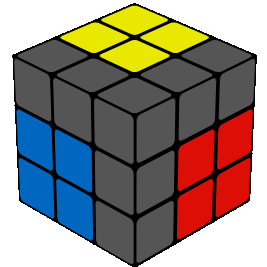
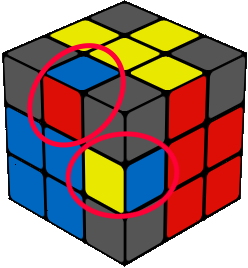
Once completed the 'Tripod', comes the truly challenging part of the solving process: the 'Trap'. The configuration that prevents many from succeeding.

Technically, the 'Trap' is a parity condition involving the swap of the last two edges.

The'Trap'

These are some ways to escape the trap


This section also provides a solution for the classic configuration where the last two edges are correctly placed but incorrectly oriented.

The'Trap'

One last configuration of the remaining edges is the following:


Corners

Once the trap is escaped, solving the cube become so simple that it turns boring.

All that remains is to position the last 5 corners, which is done in two steps: